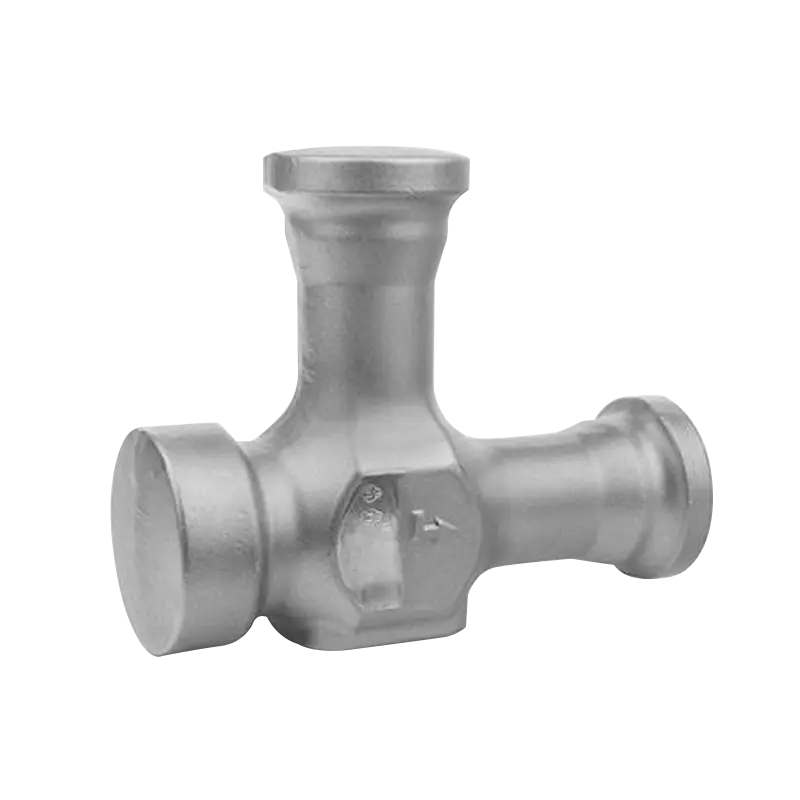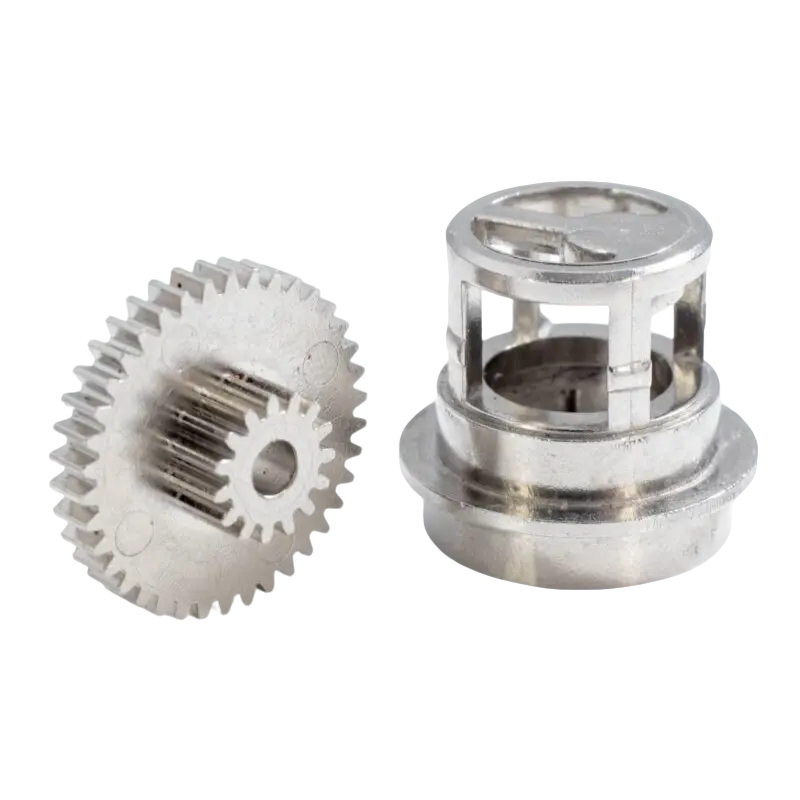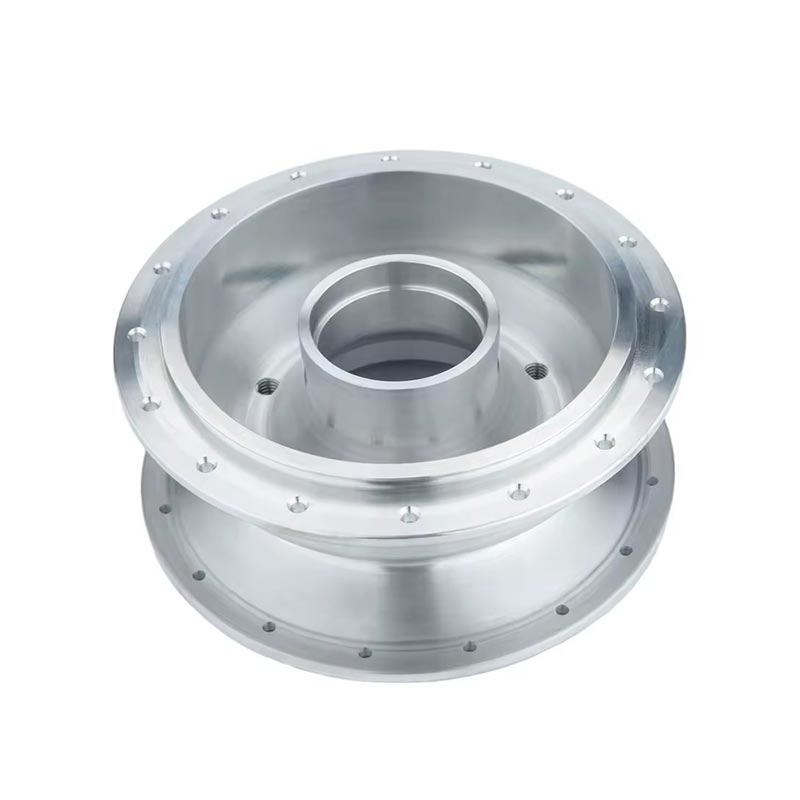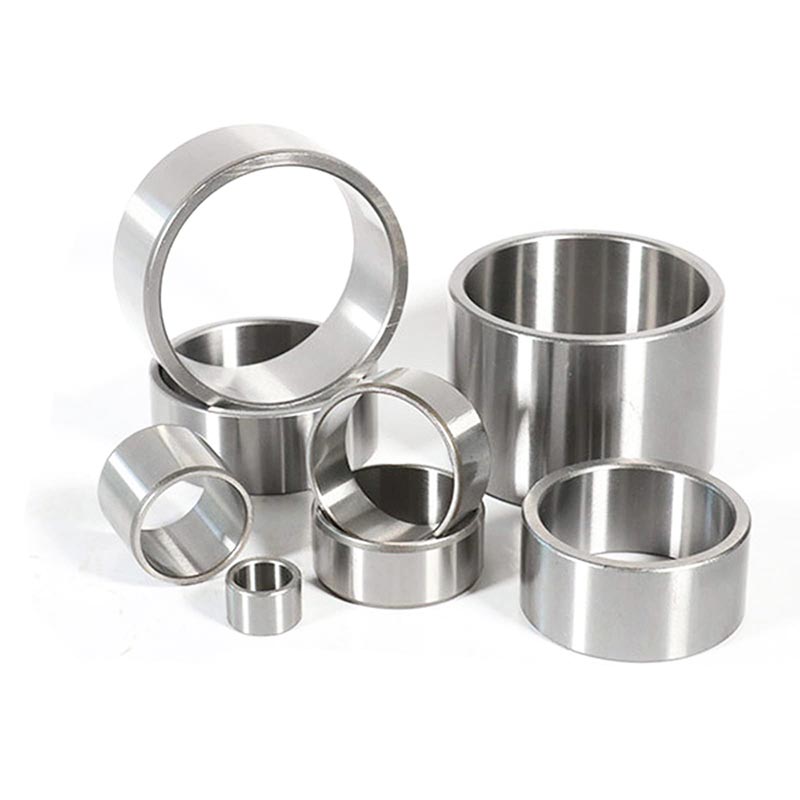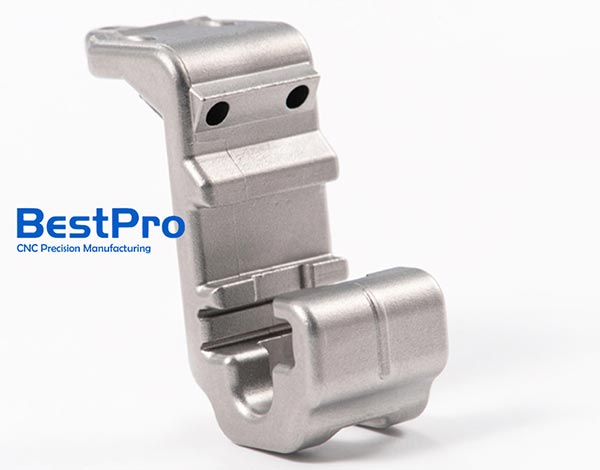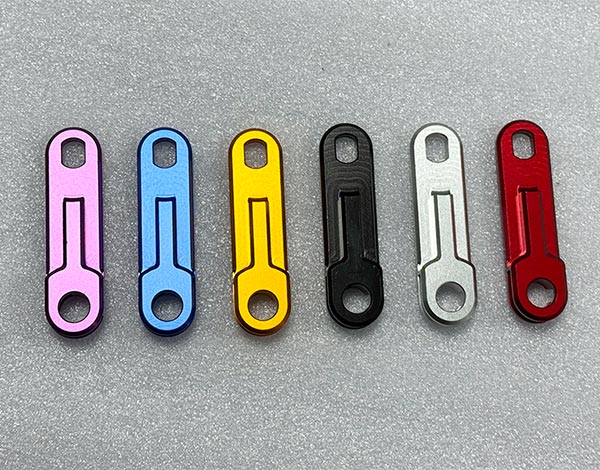
This project came from a structural frame tube used in an electric scooter.
At first, the requirement didn't look complicated: the part needed to be lightweight, but strong enough to handle vibration and long-term riding loads.
At the start, die casting was the first option on the table, mostly because it’s a common and cost-friendly way to make this type of geometry.
But once we looked deeper into the application and started reviewing early samples, some structural concerns became clearer.
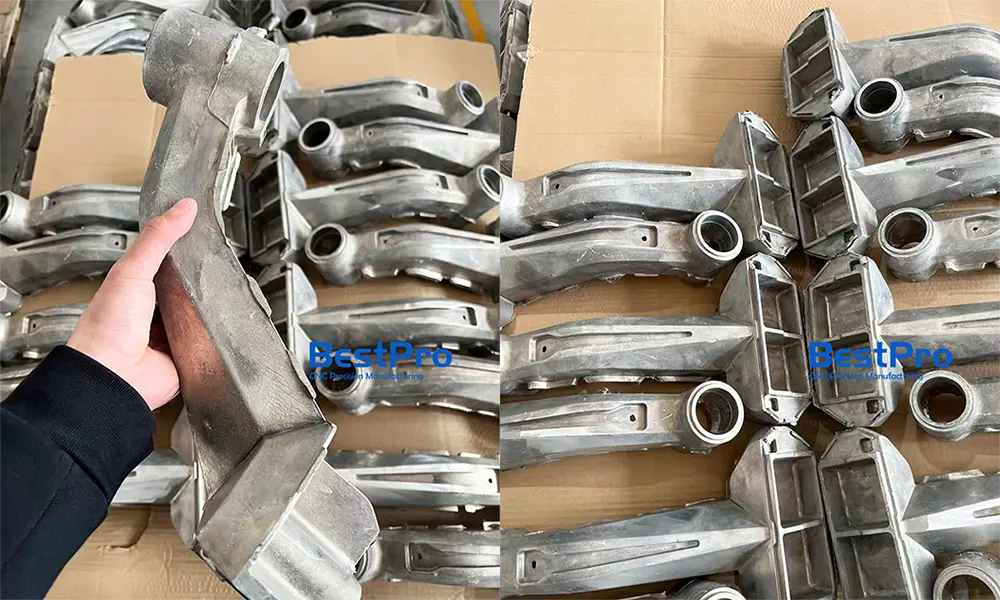
With conventional die casting, the external shape was fine, but internally the situation was less stable than expected.
In some thicker areas, we noticed small porosity, and the density was not fully consistent across the part. These issues are not unusual in casting, but for a structural load-bearing tube, they become more critical over time under vibration.
On the other hand, full forging would improve strength, but it would also reduce design freedom and significantly increase cost and machining effort.
So the real question was not about “which process is better”, but rather:
how do we balance strength, cost, and manufacturability in one solution?
Instead of choosing between casting and forging, we used an integrated casting and forging approach.
The key difference is timing.
At this stage, the material is not fully solid yet when pressure is applied inside the mold. It is still somewhere between liquid and solid, so it behaves more like a flowing structure rather than a fixed one.
Because of that, the internal structure can still move and adjust during solidification, instead of being “fixed” and corrected later after it has fully hardened.
From a practical point of view, this is not about applying more force.
It is more about controlling the forming condition at the right moment.
If the pressure is applied too early or too late, the effect is limited. But when it is controlled properly during solidification, the internal structure becomes much more stable.
This helps reduce typical casting issues like porosity and weak internal zones, especially in thicker sections of the part.
After we changed the process, the first thing we noticed was that the internal quality became more stable from batch to batch.
The porosity issue we were concerned about was still there in some areas, but it was much less random compared to the initial casting samples.
During vibration testing, the behavior was also more consistent. It didn’t feel like a big jump in performance, but more like the weak points were reduced.
In most cases, we only start looking at this kind of process when casting alone is not stable enough, but going into full forging is still not practical.
It usually shows up in parts where the design is already quite optimized, so there is not much room to move toward a heavier or more expensive process.
We’ve seen similar situations in electric scooter components, e-bike structures, and other lightweight aluminum parts where strength and production efficiency both need to be balanced.
In many structural aluminum parts, the real challenge is not choosing between casting or forging.
It is controlling how the material behaves during formation.
Once that is understood, the process becomes less about “methods” and more about “control”.
If you are currently developing structural aluminum parts and facing similar challenges between strength, cost, and manufacturability, it might be worth reviewing the forming approach at an early design stage.
If you already have drawings or a concept, feel free to share them. We can give you a practical suggestion based on similar projects we have handled.