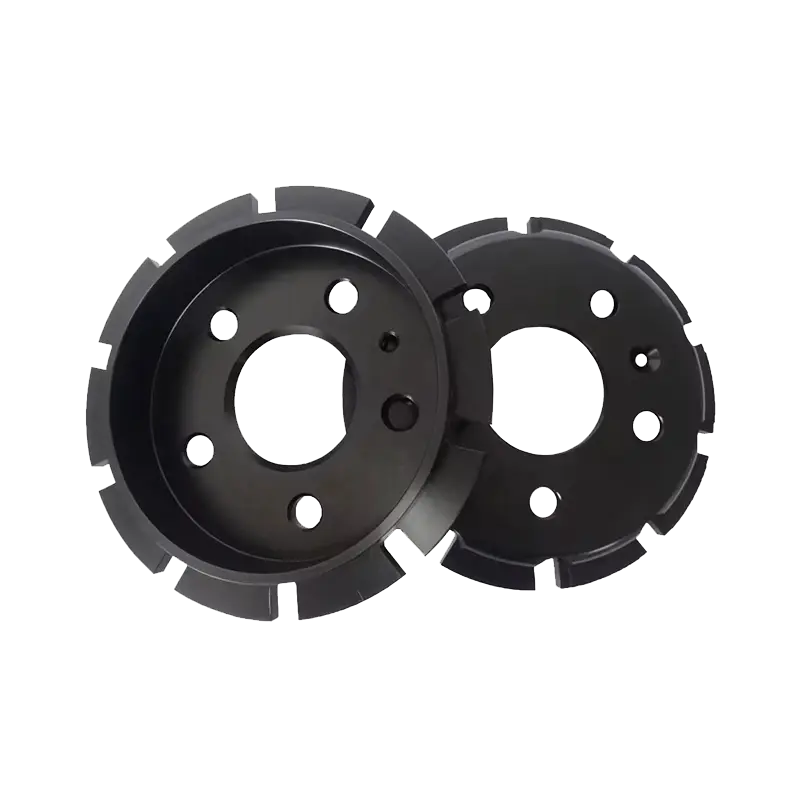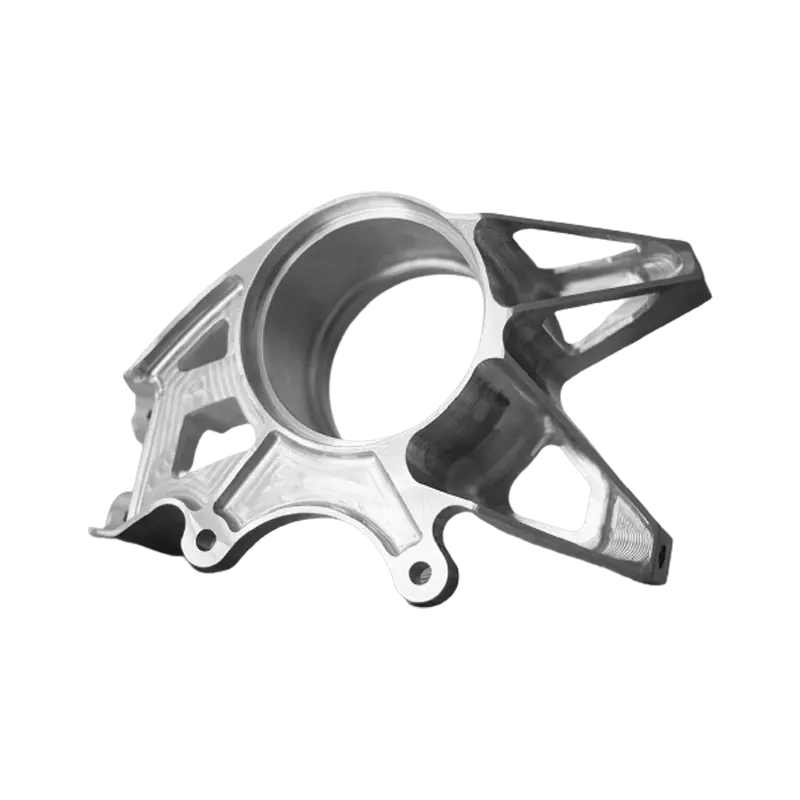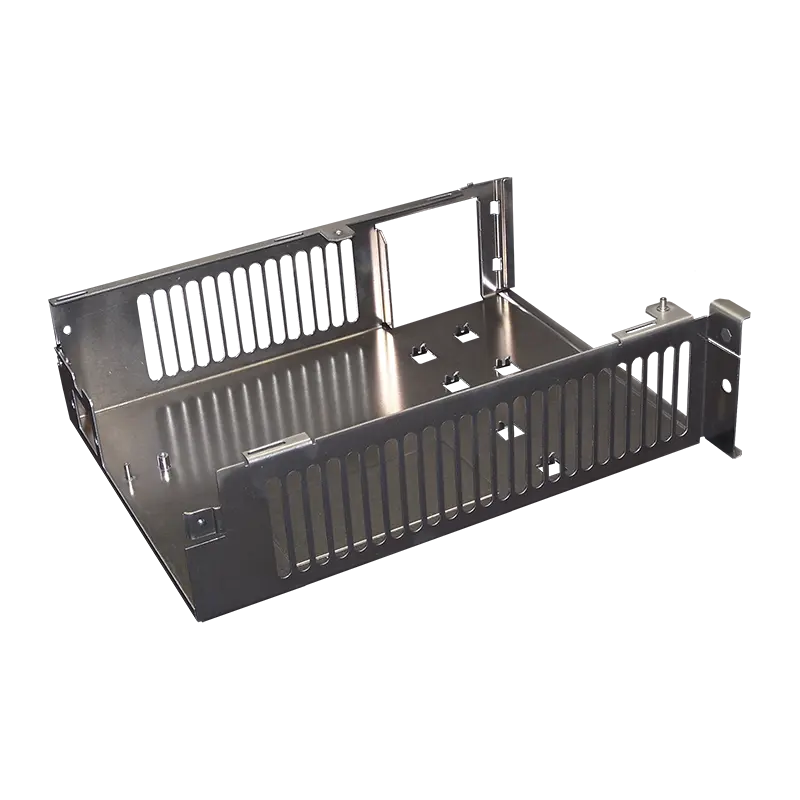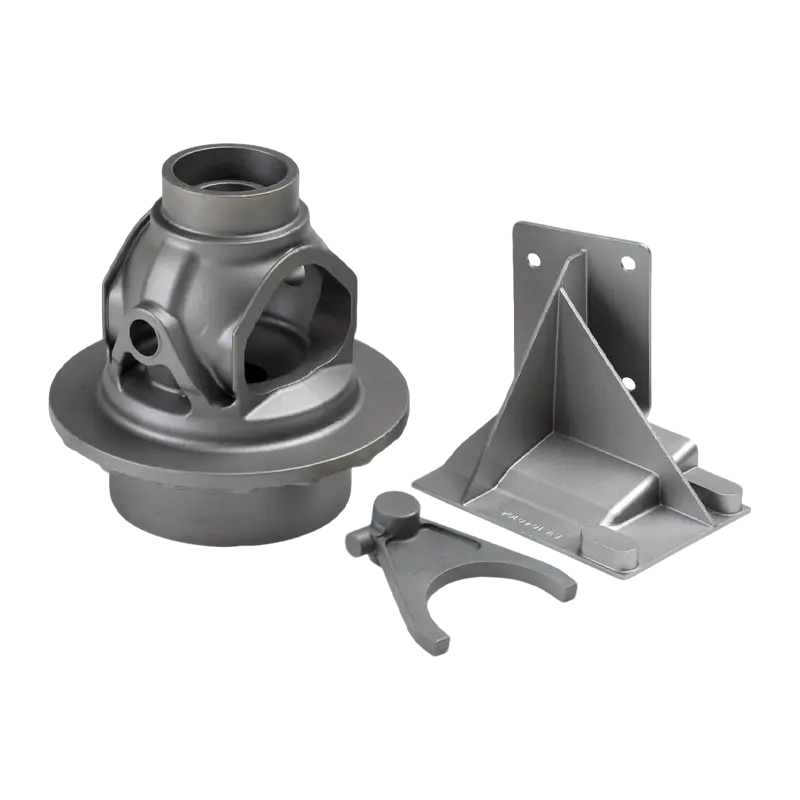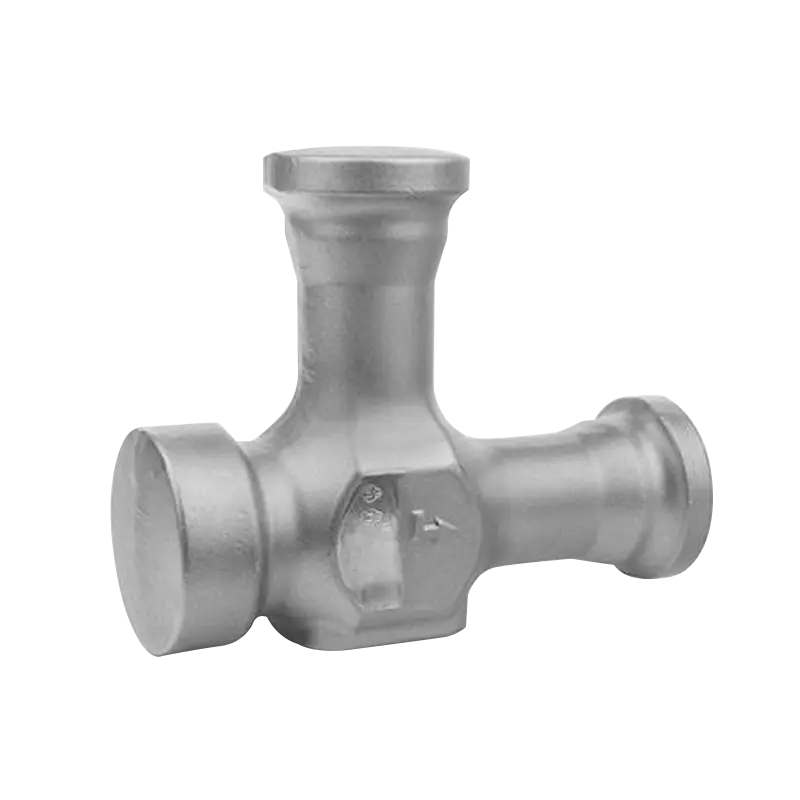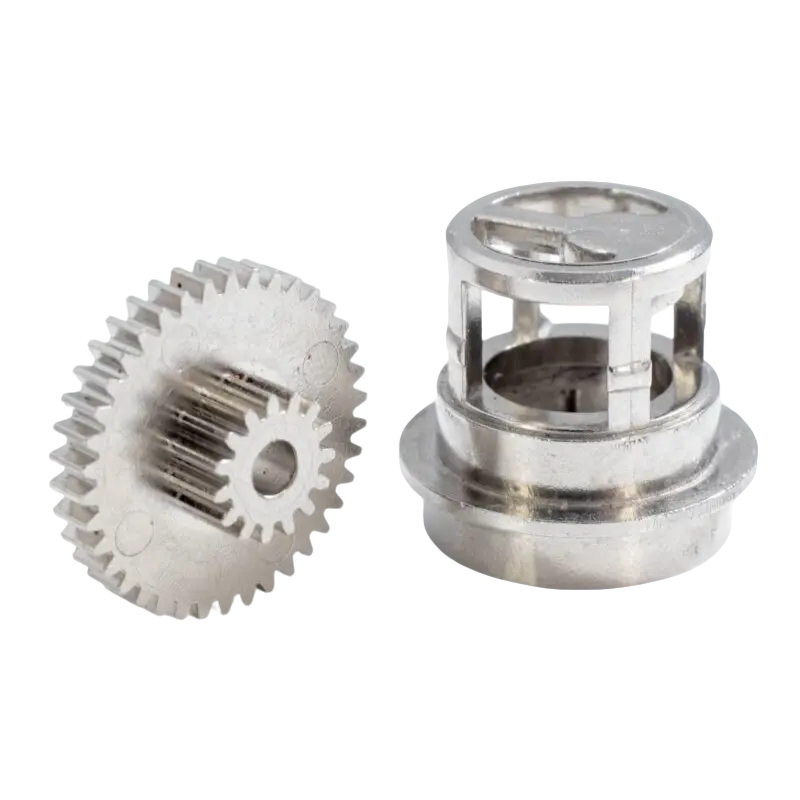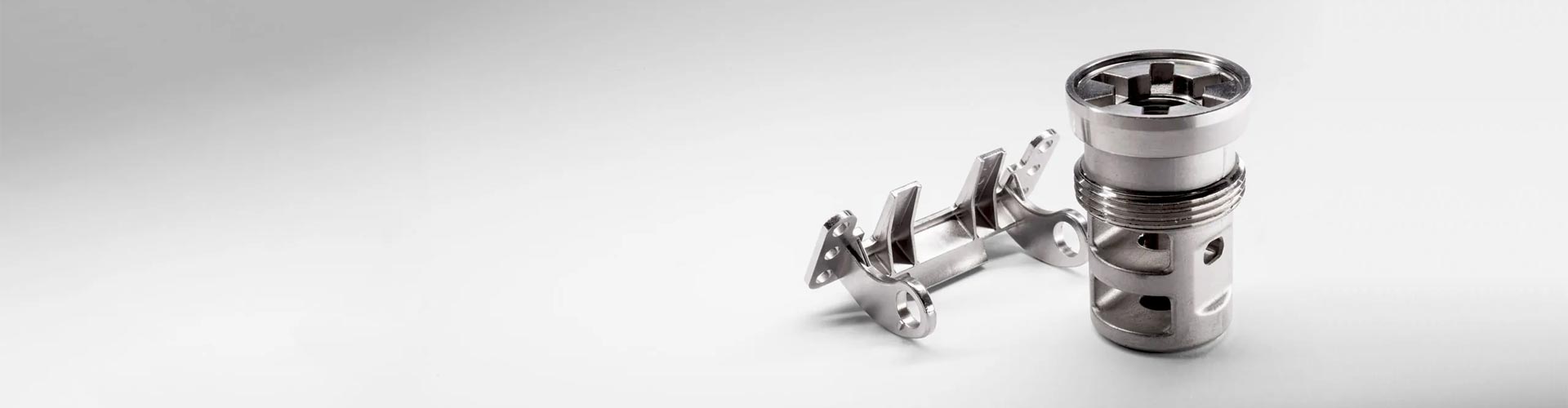
Controlled sintering guarantees MIM components that are dense, strong and high performing. BestPro manages every aspect from debinding to sintering for batch-to-batch consistency and tight tolerances of automotive, medical, electronic, aerospace and industrial parts.
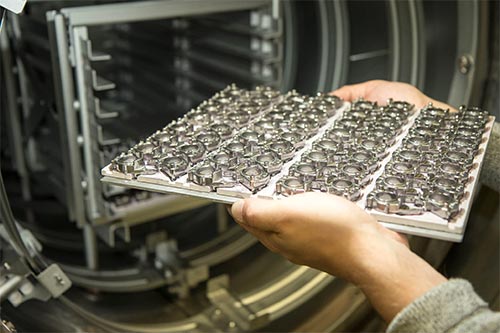
MIM sintering converts the preformed MIM components into a fully dense component with final mechanical properties.
Debinding & Pre-Sintering: Remove binders without distortion and achieve an even density.
Sintering: Carefully controlled heat treatment densifies the metal powders to the desired density, strength, and dimensional stability.
Post-Sintered Inspection: Components are checked for tolerances, surface finish and mechanical properties.
By this means both prototypes and high-volume runs produce consistent results whilst still minimizing scrap and reprocessing.
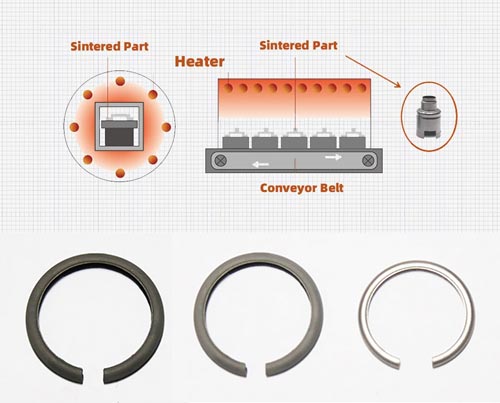
Differences in final sintering temperature and time of samples, depending on the material, have been observed to influence mechanical properties and dimensions. Typical parameters are summarized below:
| Material | Typical Sintering Temperature | Typical Sintering Time | Key Performance Notes |
| Stainless Steel (316L) | 1,300–1,400°C | 2–3 hours | High corrosion resistance, good ductility, stable dimensions |
| Low Alloy Steel (MIM-4605) | 1,200–1,300°C | 1.5–2.5 hours | High tensile strength, wear-resistant, suitable for load-bearing parts |
| Titanium Alloy | 1,150–1,250°C | 2–4 hours | Lightweight, biocompatible, maintains high strength |
| Copper | 1,000–1,050°C | 1–2 hours | Excellent thermal and electrical conductivity |
| Tool Steel | 1,250–1,300°C | 2–3 hours | High hardness after sintering, suitable for molds and tooling |
“Sintering is fine-tuned on a material by material basis to achieve the mechanical performance, dimensional accuracy and batch consistency.”
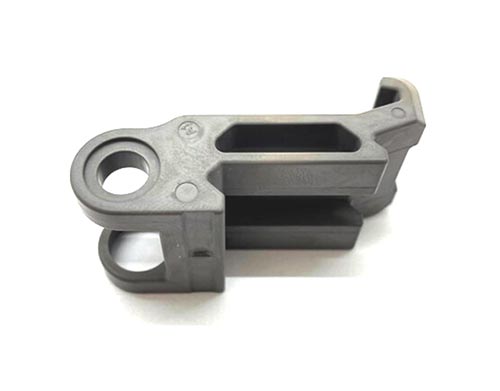
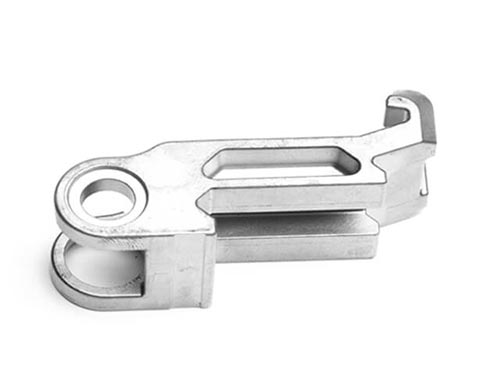
Watch a part transform through MIM sintering: From molded form to near-net shape to high-precision product after full densification.
Professional custom MIM parts supplier
Ensures batch consistency and exacting tolerance
Supports prototyping and full-scale production
Benefit from shortened lead times and stability in the process
For further analysis and help, please visit our [MIM Production Control] page.
Send us your drawing or part requirements. Our engineers will help with:
DFM analysis for manufacturability and cost-efficiency
Optimal material and finishing selection
Suggesting an optimal sintering process according to the batch size