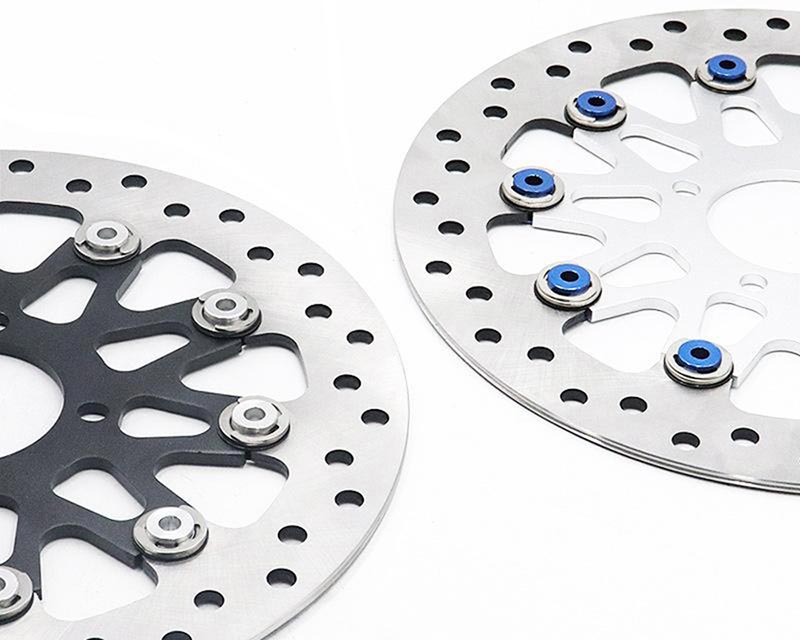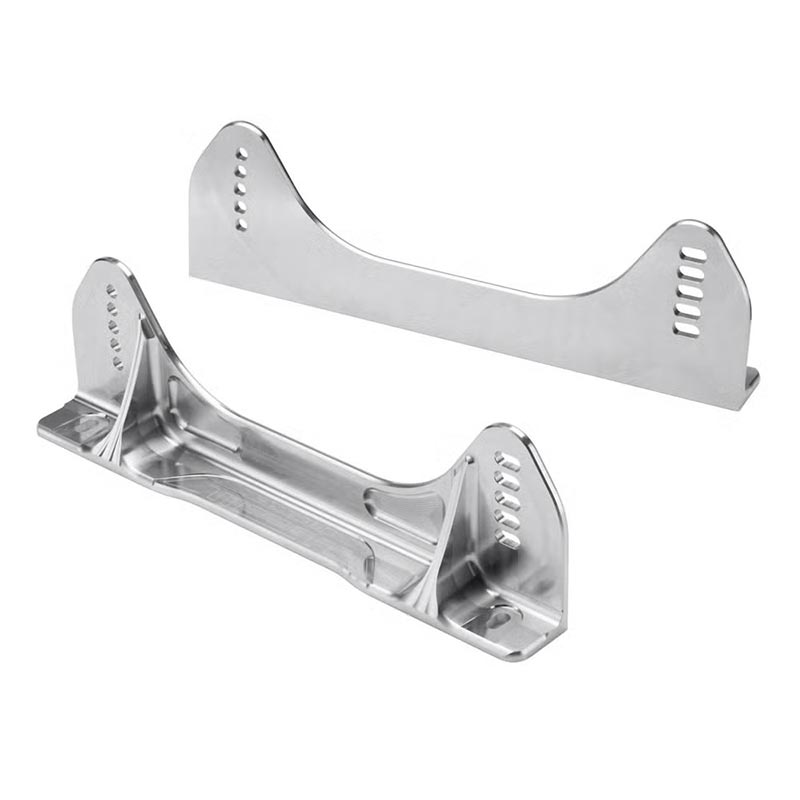
Precision CNC machining has become the backbone of modern automotive manufacturing. From engine blocks to sensor brackets, the ability to produce complex geometries with micron-level accuracy ensures safety, durability, and performance. This article explores the real-world impact of CNC technology on auto parts, discusses material selection, quality frameworks, and highlights how BestPro delivers excellence from prototype to production. Whether you are an engineer, procurement specialist, or automotive enthusiast, this guide offers practical insights into the world of CNC auto parts.
Today’s vehicles are more than mechanical assemblies — they are complex systems of electronics, sensors, and high-stress mechanical components. This evolution demands manufacturing processes that can produce parts with absolute repeatability, minimal deviation, and optimal surface integrity. Traditional casting or forging often requires secondary machining to achieve final dimensions, but CNC (Computer Numerical Control) machining provides the ultimate solution: near-net shape production with tolerances that can reach ±0.005 mm.
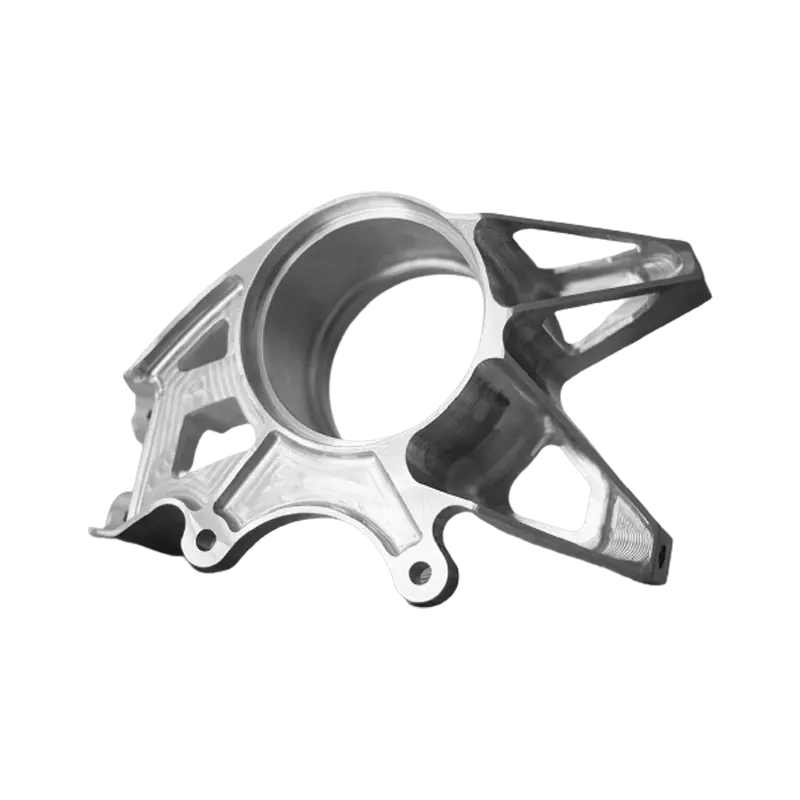
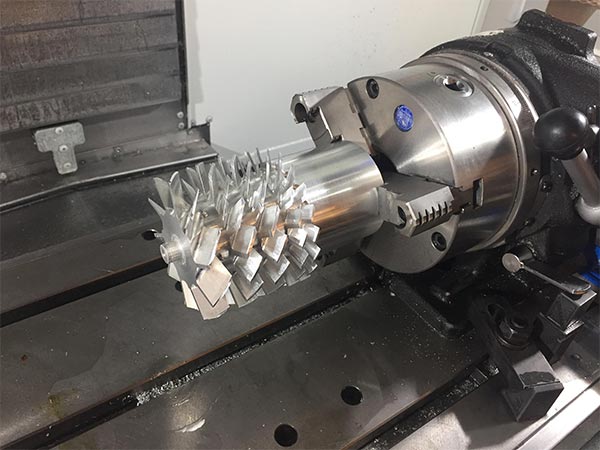
CNC machining offers unmatched flexibility. A single machine can mill, drill, turn, and thread in one setup, reducing errors and improving cycle times. For automotive applications, where safety and longevity are non-negotiable, this level of control is irreplaceable. The shift toward electric and hybrid vehicles further amplifies the need for lightweight, precisely machined components — from battery housings to motor mounts — making CNC technology more relevant than ever.
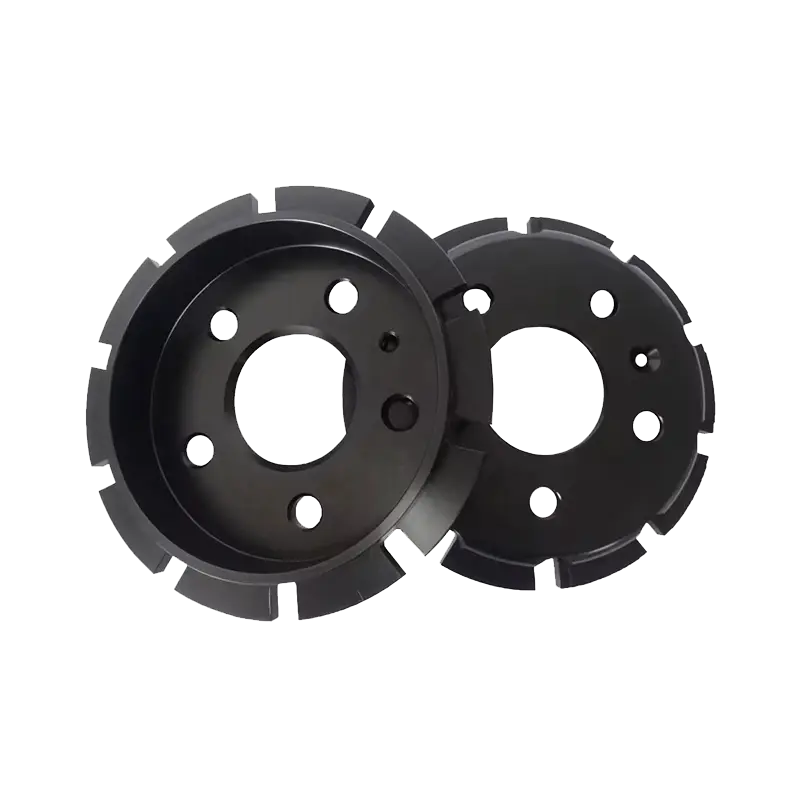
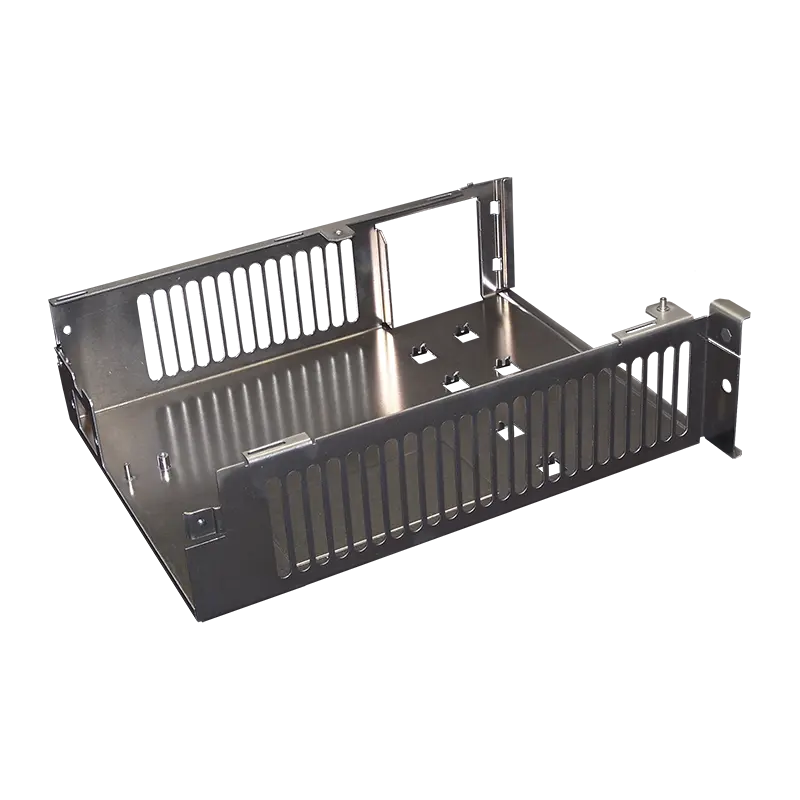
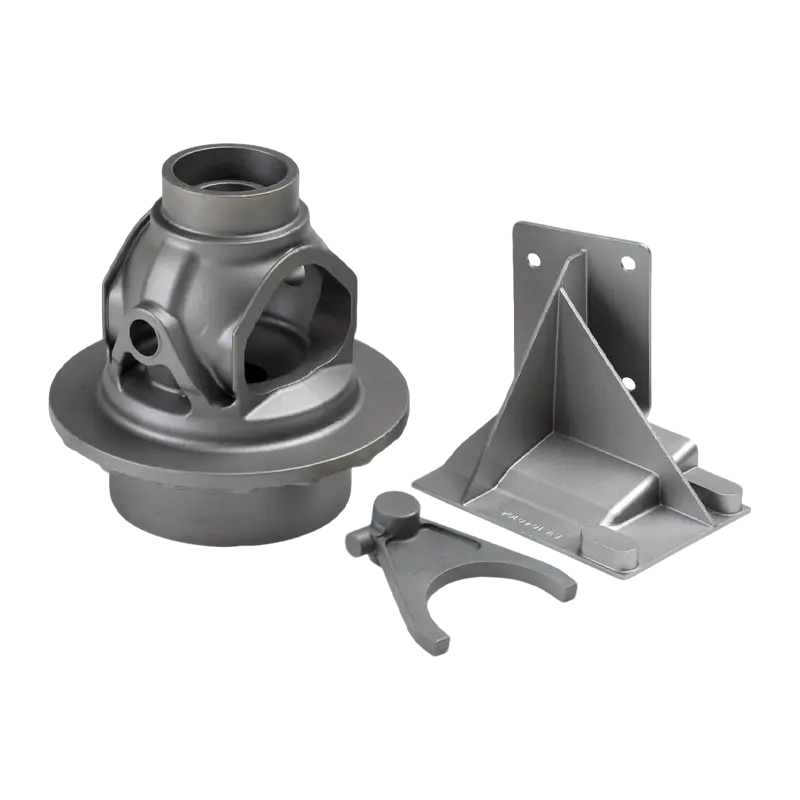
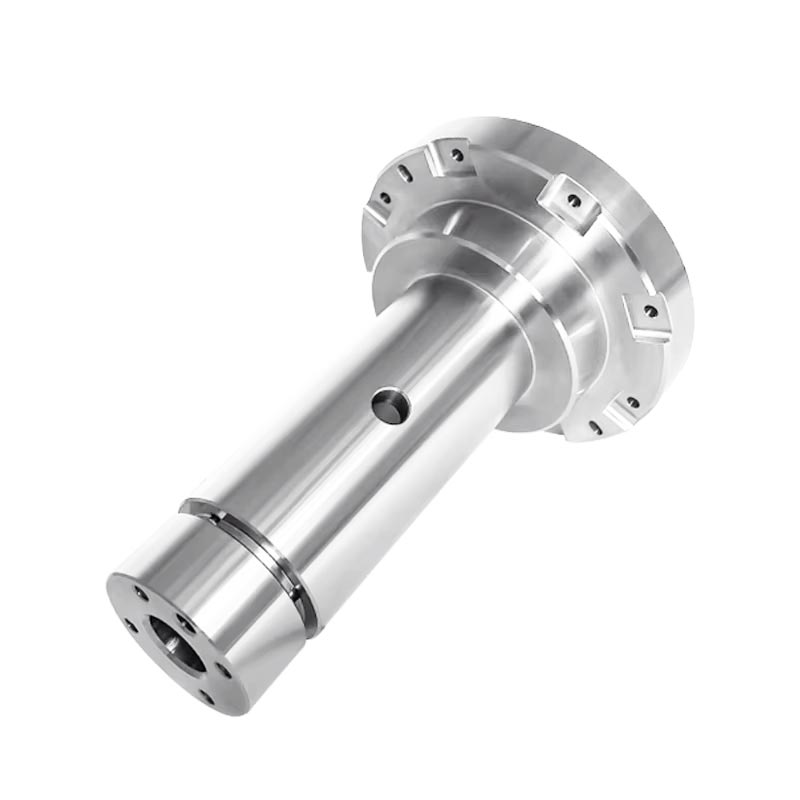
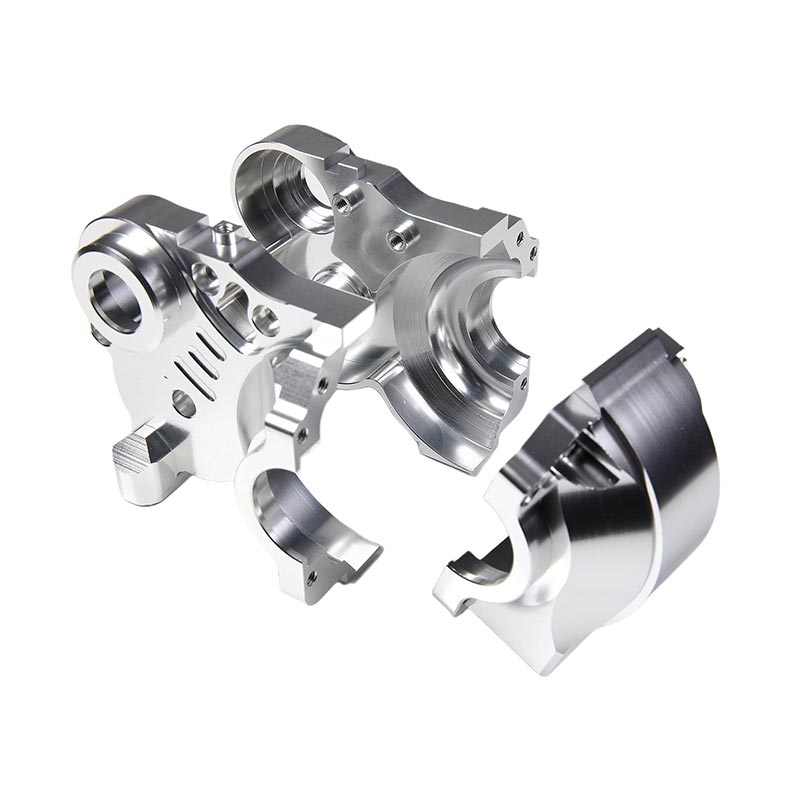
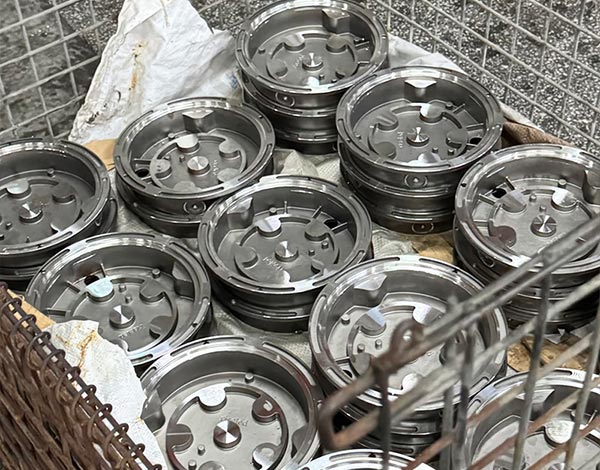
Every vehicle relies on hundreds of CNC-machined components, each serving a distinct purpose. Below is a breakdown of commonly manufactured parts and what makes them challenging.
Each part type presents unique challenges, from chip evacuation to tool wear management. However, modern CNC strategies — adaptive toolpaths, high-speed machining, and in-process probing — enable manufacturers to overcome these obstacles consistently.
Material selection is a decisive factor in the performance and cost of CNC auto parts. The table below compares common materials used in automotive CNC machining, highlighting their strengths and typical applications.
| Material | Key Characteristics | Common Automotive Uses |
|---|---|---|
| Aluminum 6061-T6 | Good machinability, weldable, corrosion-resistant, moderate strength | Brackets, housings, intake manifolds, prototype parts |
| Aluminum 7075-T6 | High strength-to-weight ratio, excellent fatigue resistance | Suspension arms, wheel hubs, performance engine parts |
| Stainless Steel 304/316 | Excellent corrosion resistance, good formability | Exhaust components, sensor housings, brake fittings |
| Alloy Steel 42CrMo / 4140 | High tensile strength, toughness, heat-treatable | Gears, shafts, connecting rods, steering components |
| Carbon Steel C45 / 1045 | Good strength, wear resistance, cost-effective | Bushings, pins, structural supports, fasteners |
| Titanium Grade 5 | Exceptional strength, low density, biocompatible | High-performance valves, rods, lightweight fasteners |
* Material selection depends on operating conditions, load requirements, and cost targets. BestPro provides expert guidance on alloy choice for each project.
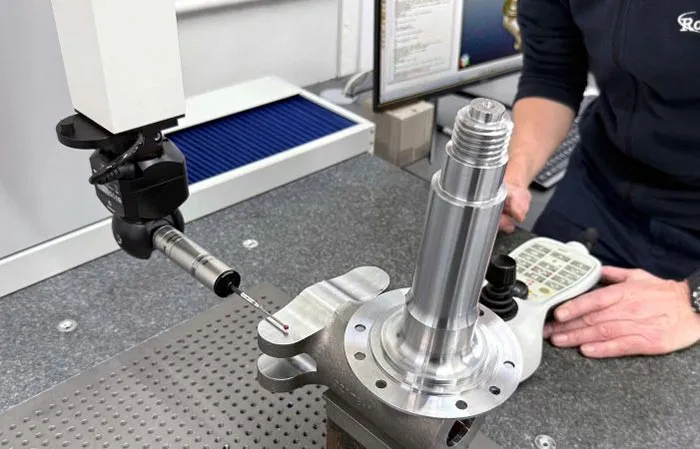
In automotive manufacturing, quality is not an afterthought — it is embedded in every stage of production. A robust quality management system ensures that each part meets engineering specifications and regulatory standards. Key elements include:
BestPro integrates these practices into daily operations, supported by ISO 9001:2015 certification. This commitment to quality means that customers receive parts that are not only accurate but also consistent across repeat orders.
The automotive industry is increasingly characterized by rapid innovation cycles and niche vehicle models. This drives demand for flexible manufacturing that can handle small batches without sacrificing quality or cost-efficiency. CNC machining excels in this environment because it requires no hard tooling — a part can go from CAD file to finished component in days, not months.
Prototyping with CNC allows engineers to test fit, form, and function before committing to expensive production tooling. It also enables design iterations based on physical testing, which is invaluable for high-performance or safety-critical components. For low-volume production (e.g., motorsport, custom vehicles, or vintage car restoration), CNC provides an economical way to produce high-quality parts without the overhead of casting or forging.
BestPro offers rapid prototyping lead times as fast as 7 days for qualified projects, and supports seamless transition from prototype to medium or high-volume production using the same CNC programs and quality standards.
As a specialized manufacturer, BestPro combines advanced CNC technology with deep automotive industry knowledge. Their approach is built on:
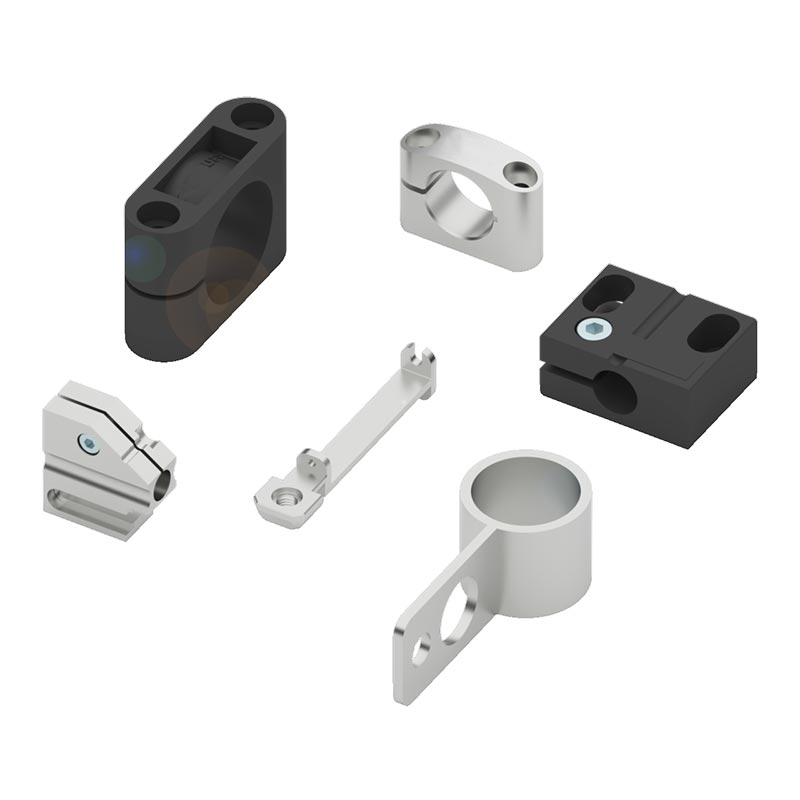
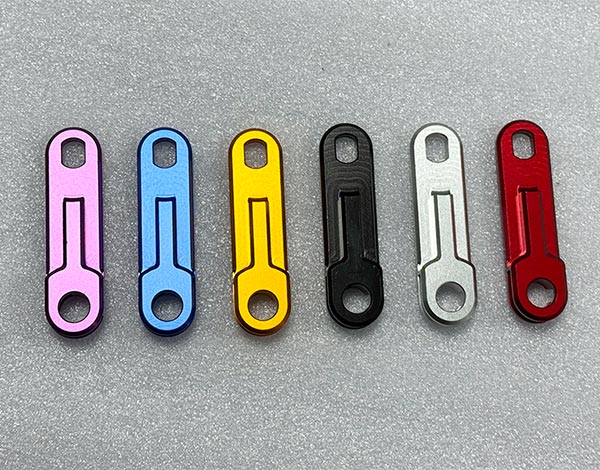
Whether it is a custom brake disc bell, a transmission shaft for a prototype, or a high-volume run of sensor brackets, BestPro focuses on functional, durable, and precisely engineered solutions. Their reputation as a reliable partner stems from consistent performance and a customer-first mindset.
Typical CNC machining holds tolerances of ±0.025 mm to ±0.010 mm on most features. For critical dimensions, BestPro can achieve ±0.005 mm depending on material and geometry.
Aluminum 7075-T6 and titanium Grade 5 are top choices for strength-to-weight ratio. For applications requiring high strength and wear resistance, alloy steel like 42CrMo is preferred.
Yes. CNC is highly scalable. The same program can be used for a single prototype or thousands of production parts, ensuring consistency across volumes.
BestPro employs a multi-tiered quality system: first article inspection, in-process monitoring, CMM verification, and material traceability — all under an ISO 9001:2015 framework.
Prototype orders are typically completed in 7–15 working days. Production runs are quoted based on volume and complexity, with expedited options available.
Engineered for Performance, Built for Reliability
Partner with BestPro for CNC auto parts that meet the highest standards of precision and durability. From concept to delivery, we are committed to your success.
📩 Contact us today to discuss your project and request a tailored quote.
Your vision, our precision — let's build something exceptional.
-