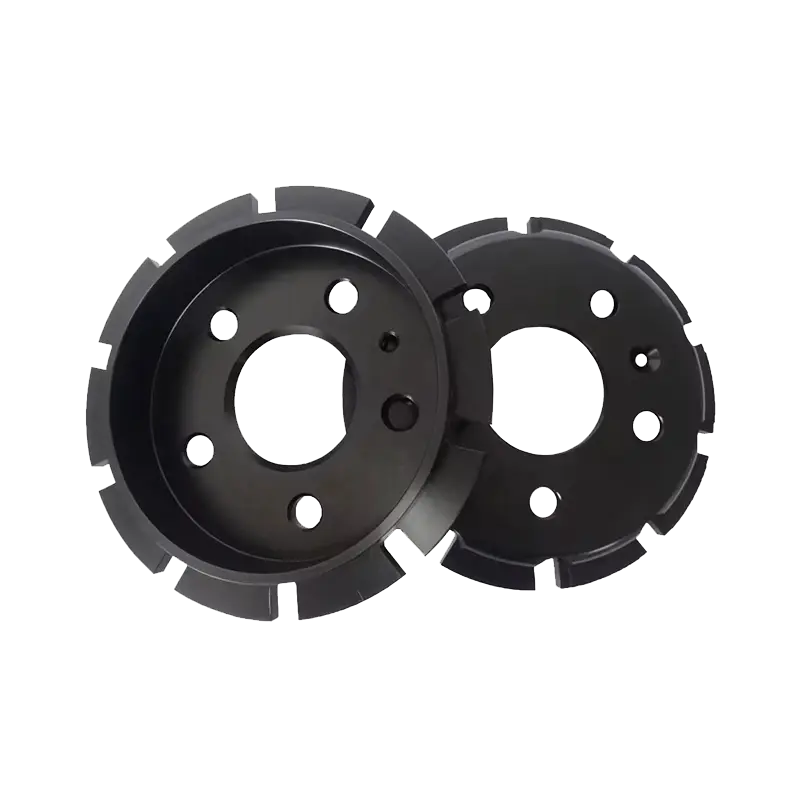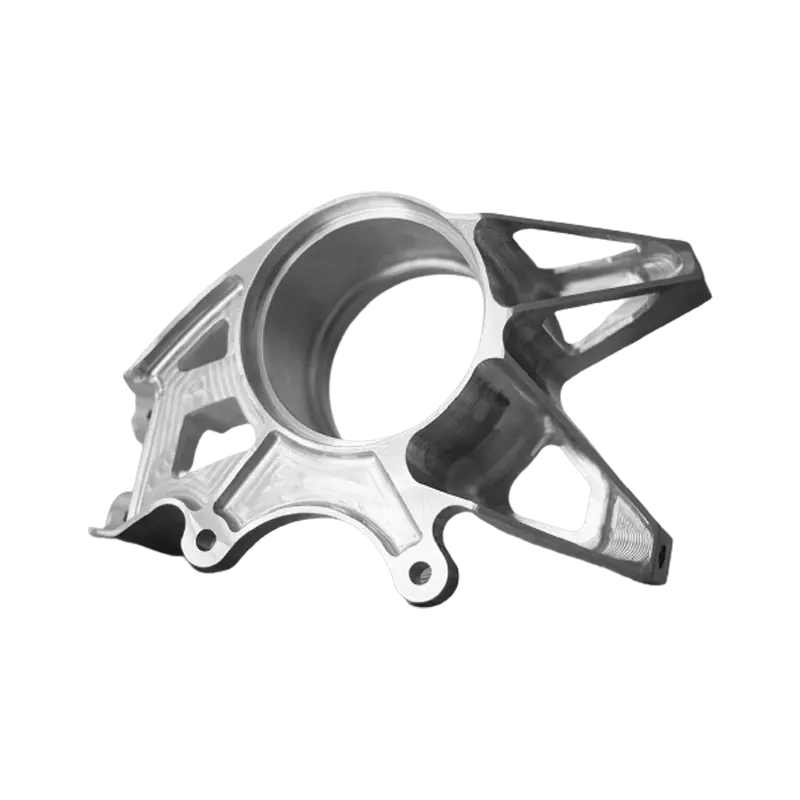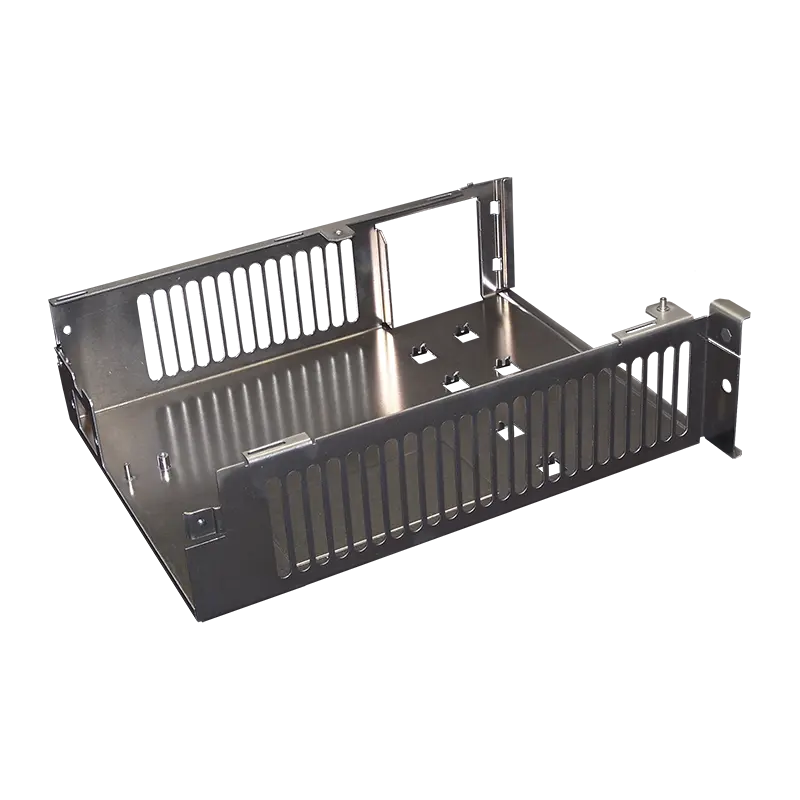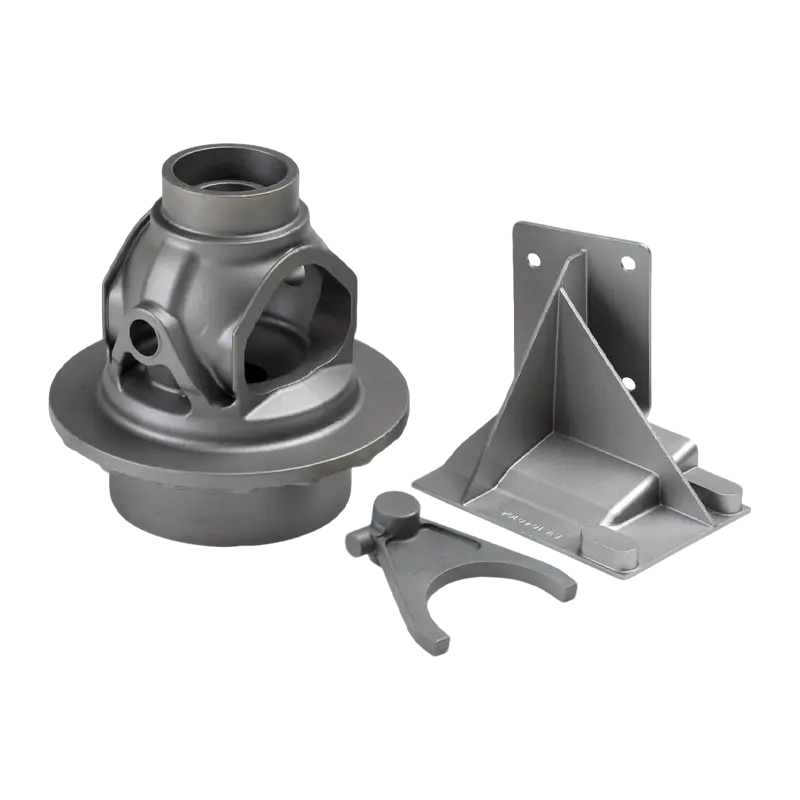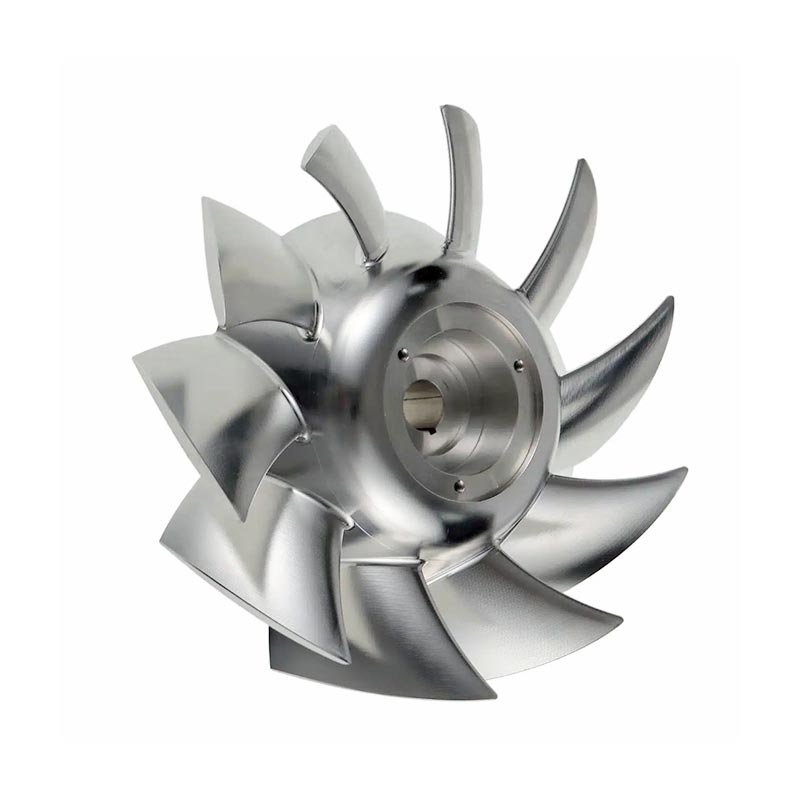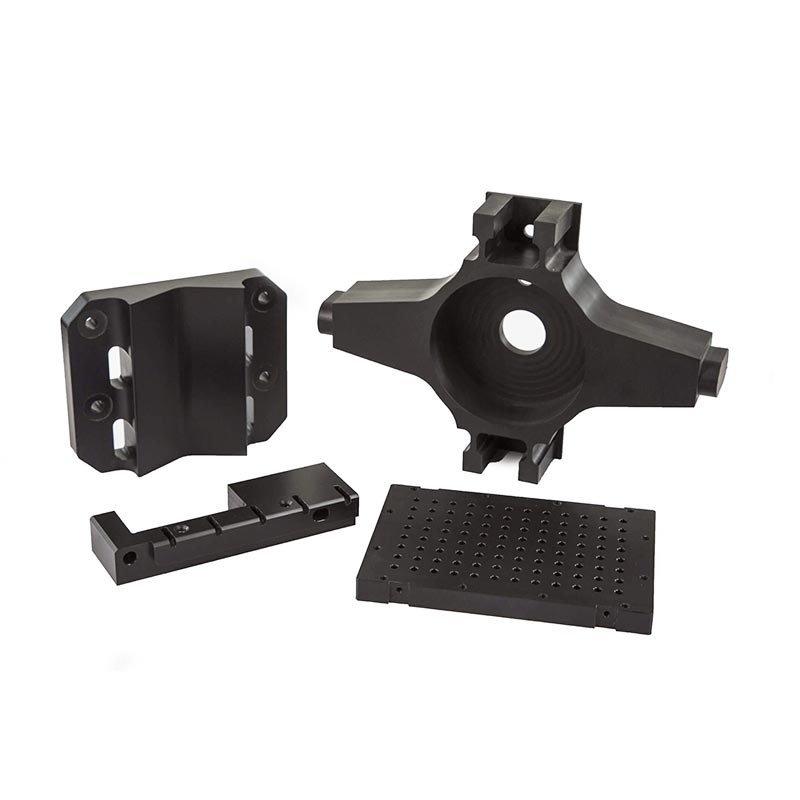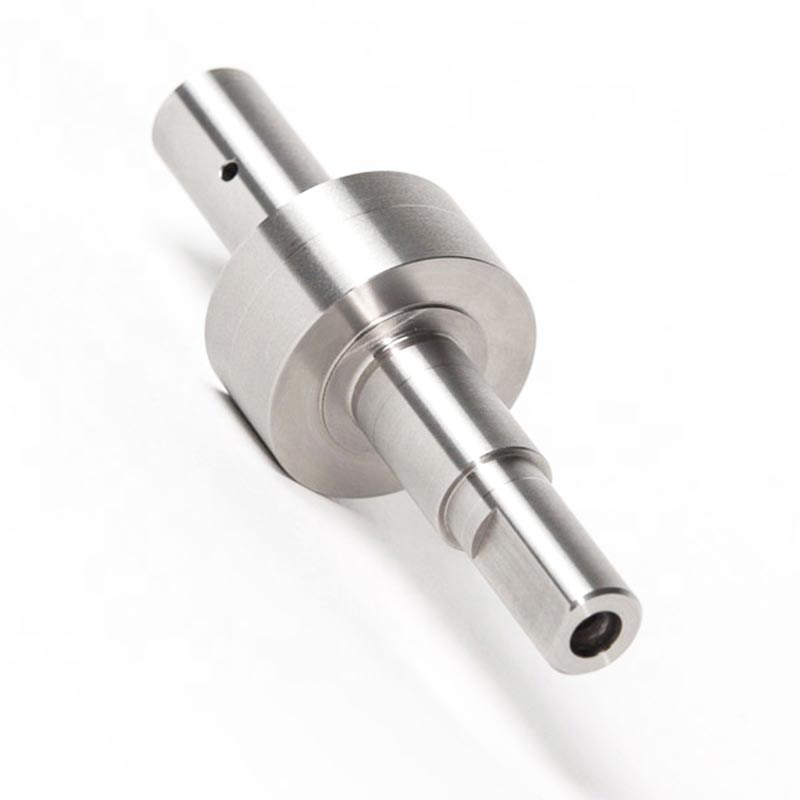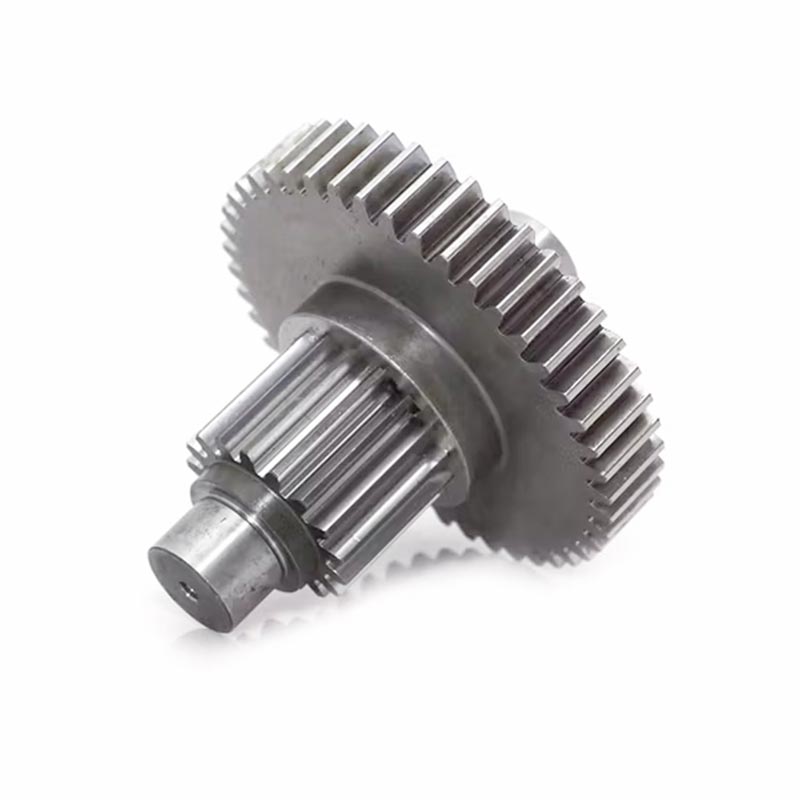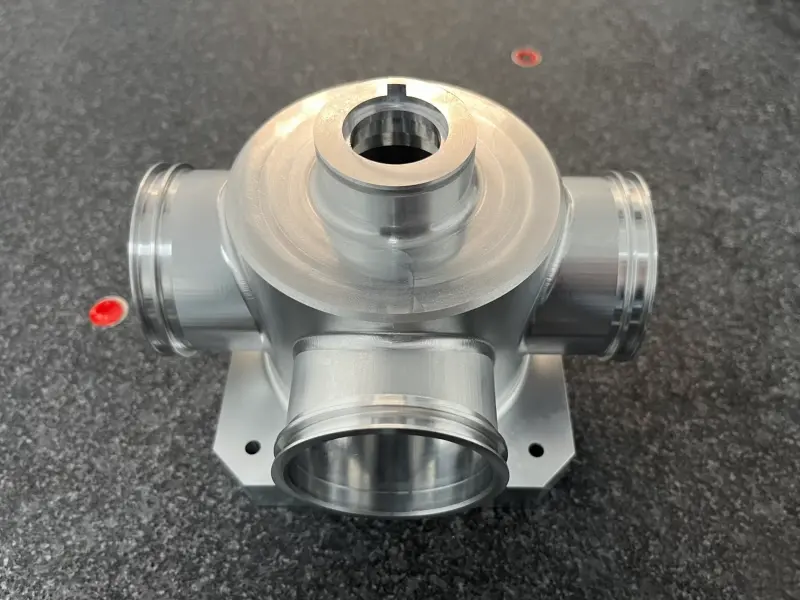
Automotive design today faces an unavoidable conflict: lowering overall vehicle mass has become a fundamental trend driven by energy conservation, emission reduction and electric vehicle range optimization, yet any weight reduction attempt must never compromise structural rigidity, driving safety and long-term durability. For industrial designers and technical teams focusing on vehicle optimization, one question remains widely discussed: Can CNC Auto Parts achieve effective weight reduction while maintaining original structural strength? As advanced manufacturing technology continues to mature, CNC Auto Parts have gradually become an essential solution for balancing lightweight demands and mechanical performance, offering a new reference direction for modern vehicle structural upgrading.
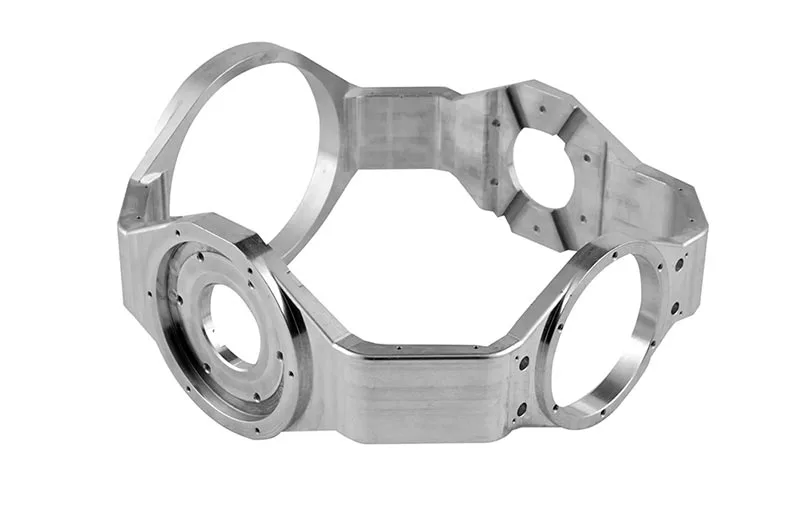
The push for vehicle lightweighting stems from both policy regulation and practical usage demands. For traditional fuel-powered models, moderate weight reduction can directly improve fuel economy, cut daily energy consumption and lower carbon emission levels. For new energy electric vehicles, curb weight is closely linked to cruising range; reasonable weight control can alleviate range anxiety without blindly expanding battery capacity.
At the same time, lighter vehicle mass also brings smoother acceleration, more flexible braking response and better overall handling performance. However, all these advantages are premised on one core bottom line: key components must maintain stable mechanical strength and fatigue resistance, and cannot bring hidden risks to driving safety due to blind weight loss. This is why the application of CNC Auto Parts has attracted wide attention in the industry.
Many conventional lightweight schemes simply adopt thinning raw materials or simplifying structural outlines. This crude way of reducing weight easily causes insufficient local rigidity, uneven stress distribution, and accelerated aging and deformation of parts in long-term use. Once key bearing components appear micro cracks or structural loosening, it will affect vehicle stability and even bring potential safety hazards.
The root cause lies in the lack of precise structural optimization and high-precision manufacturing means. Traditional processing methods are difficult to achieve partial material removal and layered structural optimization, while CNC Auto Parts rely on digital precision processing to break this limitation, avoiding the performance defects caused by unreasonable lightweight transformation.
The biggest feature of CNC machining is high-precision digital cutting and forming. According to mechanical operation data and force distribution simulation, non-essential redundant materials on component surfaces and internal non-stress areas can be accurately removed, while retaining and strengthening the key force-bearing parts completely.
This kind of targeted material removal is not random thinning, but structural optimization based on mechanical logic. By refining the overall outline, groove design and hollow layout, CNC Auto Parts realize obvious weight reduction on the premise of keeping the original load-bearing limit, impact resistance and torsional strength unchanged.
The comprehensive performance of CNC Auto Parts also benefits from scientific material selection matching. Lightweight high-strength aluminum alloy, aerospace-grade lightweight alloy and high-rigidity composite raw materials are widely used in component processing. These materials themselves have the characteristics of low density and high tensile strength.
Combined with CNC precise forming technology, the advantages of materials can be maximized: the overall mass is greatly reduced, while hardness, wear resistance and structural stability are maintained. Compared with ordinary stamped and cast parts of the same specification, optimized CNC Auto Parts can achieve 20%–30% weight reduction in most scenarios without weakening any core mechanical indicators.
To intuitively understand the differences in lightweight effect, structural stability and application adaptability, the following comparison table sorts out the core performance gaps between CNC Auto Parts and traditional processing parts:
| Comparison Dimension | Conventional Automotive Components | CNC Auto Parts |
|---|---|---|
| Weight Reduction Effect | Limited; mostly rely on simple material thinning, easy to leave structural hidden dangers | Significant; precise removal of redundant materials based on force analysis, safe and effective lightweight |
| Structural Strength Stability | Uneven stress distribution; easy deformation and aging under long-term vibration | Uniform force bearing; key structures are precisely retained, with stable fatigue resistance and impact resistance |
| Dimensional Accuracy & Consistency | Large manual processing error; obvious individual differences in batch parts | High machining tolerance control; high consistency of overall dimension and assembly interface |
| Structural Design Flexibility | Restricted by processing technology; difficult to realize special-shaped and hollow optimized structure | Support complex curve, hollow and hierarchical structure design, free to complete lightweight structural innovation |
| Batch Quality Consistency | Difficult to unify standards; prone to assembly mismatch and later performance deviation | Standardized digital processing; stable quality traceability and consistent batch performance |
| Adaptability To Vehicle Upgrade | Single structure, difficult to adapt to iterative lightweight optimization | Flexible parameter adjustment, compatible with vehicle structure iteration and personalized design |
Many technical teams face the dilemma that lightweight transformation either fails to meet the expected weight loss standard, or sacrifices structural safety to achieve weight reduction. The fundamental reason is that traditional processing methods cannot complete refined structural optimization.
With the help of digital simulation and high-precision cutting capability, CNC Auto Parts can complete lightweight design in a more scientific way. It accurately distinguishes force-bearing areas and idle areas of components, realizes material reduction only in non-key parts, and always maintains the safety threshold of structural strength, perfectly resolving the contradiction between lightweight demand and safety specification constraints.
Parts with insufficient processing precision are prone to interface deviation and assembly clearance mismatch, which will cause abnormal vibration, noise and accelerated wear during vehicle operation. Traditional manufacturing is limited by process precision, and it is difficult to guarantee the uniformity of complex structural parts.
CNC Auto Parts adopt full-drawing standardized processing, strictly controlling dimensional tolerance and surface flatness. The high matching accuracy makes the assembly fit tighter and the overall operation more stable. At the same time, batch consistency avoids performance differences caused by individual part errors, and improves the overall coordination of the vehicle structure.
Automotive models and structural schemes are constantly iterating and upgrading, requiring supporting components to have adjustable design space. Traditional integral forming parts have fixed structures and difficult later modification, which increases the time and cost of scheme adjustment.
The digital manufacturing mode of CNC Auto Parts supports rapid adjustment of structural parameters and local optimization design. According to the iterative needs of vehicle layout and energy consumption optimization, the outline, hollow degree and local thickness of parts can be flexibly adjusted, which greatly improves the flexibility of design iteration and shortens the cycle of structural upgrading.
This is the most prevalent misunderstanding in the industry. Weight does not equate to strength. The core determining factor of component performance lies in structural layout, material characteristics and processing precision, not overall mass.
CNC Auto Parts reduce weight by cutting redundant materials rather than weakening key force-bearing structures. Under professional mechanical simulation and optimized design, lighter structural forms can even disperse stress more reasonably and have better durability than bulky traditional structures.
In fact, standardized CNC production processes can form stable batch output capability. With unified drawing standards and programmed processing procedures, every CNC Auto Part maintains the same precision and structural performance. The standardized quality control process runs through all production links, realizing large-scale stable supply while maintaining lightweight and high-strength characteristics.
In the short term, high-precision CNC processing and optimized material selection have certain technical threshold; but in the whole life cycle, lightweight CNC Auto Parts can effectively reduce vehicle energy consumption, lower long-term operation loss, and reduce hidden maintenance risks caused by structural deformation and fracture. The comprehensive benefit advantage is obvious, forming a cost-saving and efficient application mode.
Looking at the current development trend of the automotive industry, lightweight design has become an inevitable direction of technological iteration, and the key core is to find a balance between weight reduction and structural safety.
CNC Auto Parts rely on digital precision machining, scientific structural optimization and high-performance material matching, perfectly breaking the inherent contradiction between vehicle weight reduction and strength retention. It not only effectively reduces overall vehicle mass, improves energy-saving effect and driving performance, but also maintains stable structural rigidity, safety and long-term durability.
As manufacturing precision and structural optimization technology continue to advance, CNC Auto Parts will become a more mainstream technical choice in vehicle design, providing reliable technical support for the sustainable upgrading of energy-saving, low-carbon and high-performance modern vehicles.